


 Language
 Search
Emissions
Clean air is essential to our quality of life and to the health of the ecosystems we depend on.
We are committed to reducing emissions across our operations through a combination of strategies designed to improve operational efficiency and treat waste gases from our manufacturing facilities. These efforts specifically target reductions in sulfur dioxide (SO₂), nitrogen oxides (NOₓ), and greenhouse gas (GHG) emissions.
We closely monitor our process emissions to maintain compliance with regulatory requirements while working to minimize our global environmental footprint. Since establishing our first GHG reduction goal in 2009, we have identified and implemented a variety of mitigation measures, focusing on Scopes 1, 2, and 3 emissions. Our initiatives not only support safer and more resilient communities but also promote health and well-being for people worldwide.
Beyond compliance, we see emission reduction as an opportunity to strengthen our business as lowering emissions often aligns with improving efficiency at our facilities. We also work collaboratively with our customers and partners across the value chain to reduce emissions impacts, offering products that help lower their GHG emissions and reduce environmental impacts throughout the entire product life cycle.
Through these actions, we remain dedicated to advancing clean air, protecting the environment, and creating shared value for our stakeholders and the communities where we operate.
New 2030 GHG Reduction Target
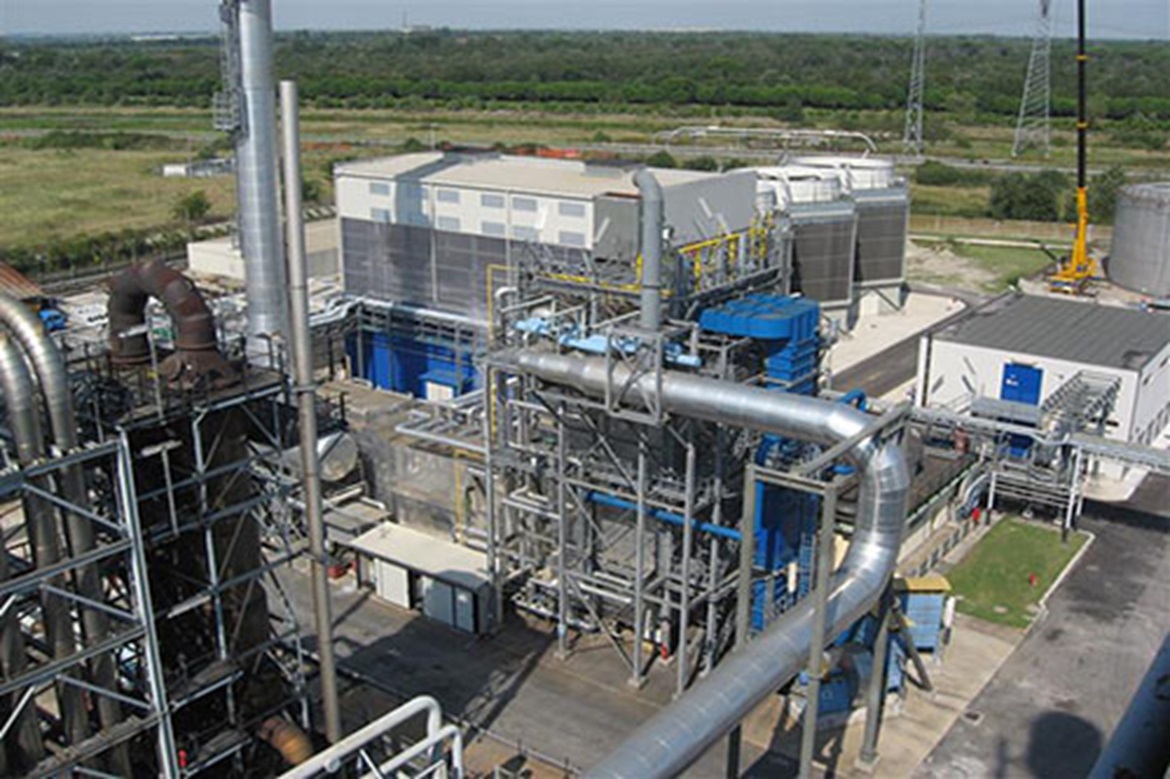
In December 2024, we announced a new GHG reduction target as part of our ongoing commitment to environmental sustainability and operational excellence. The new target aims to reduce our market-based Scope 1 and 2 GHG intensity by 15% by 2030. We seek to achieve this goal through a suite of forward-looking initiatives focused on reducing carbon impact and improving energy efficiency by 2030, leveraging innovative strategies such as renewable energy procurement, decarbonization technologies, and energy recovery investments.
Supporting Emissions Reductions with Renewable Energy Procurement
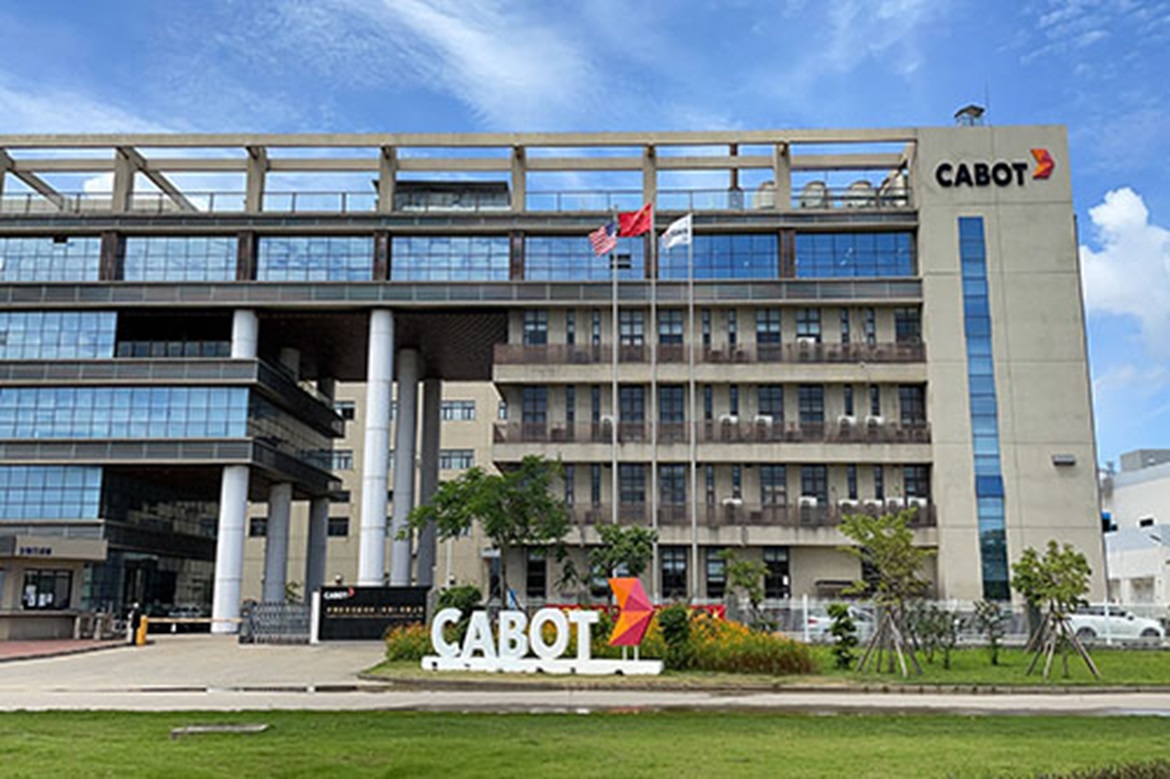
As part of our decarbonization planning, we advanced our renewable energy procurement strategy through the use of International Renewable Energy Certificates (I-RECs) to offset market-based Scope 2 emissions. Our Cartagena, Colombia, site continued to cover 100% of its electricity use with hydroelectric I-RECs, while our Zhuhai, China, plant sourced nearly 40% of its power from solar PV, and our Mauá, Brazil, site joined the initiative by covering about 35% of its electricity needs with renewable sources. Together, these efforts offset approximately 8,300 MTCO₂e and represent important progress toward Cabot’s climate ambition.
Measuring Emissions Along our Value Chain
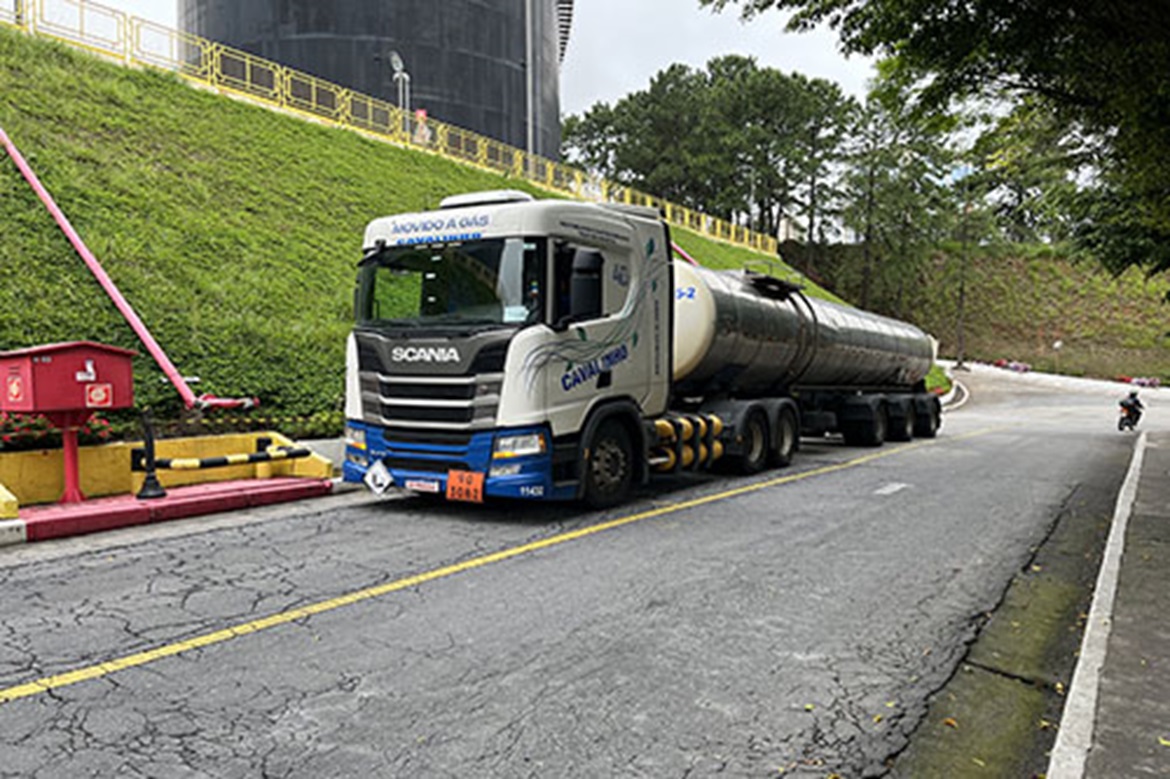
As we continue to make advancements toward a lower carbon future, we recognize the critical importance of understanding GHG emissions across our entire value chain. We conducted a comprehensive inventory of our Scope 3 GHG emissions, which will be used to establish our Scope 3 baseline as well as help inform future efforts for reducing our Scope 3 footprint across our supply chain.
E2C Technology Enables Reduced Greenhouse Gas Emissions
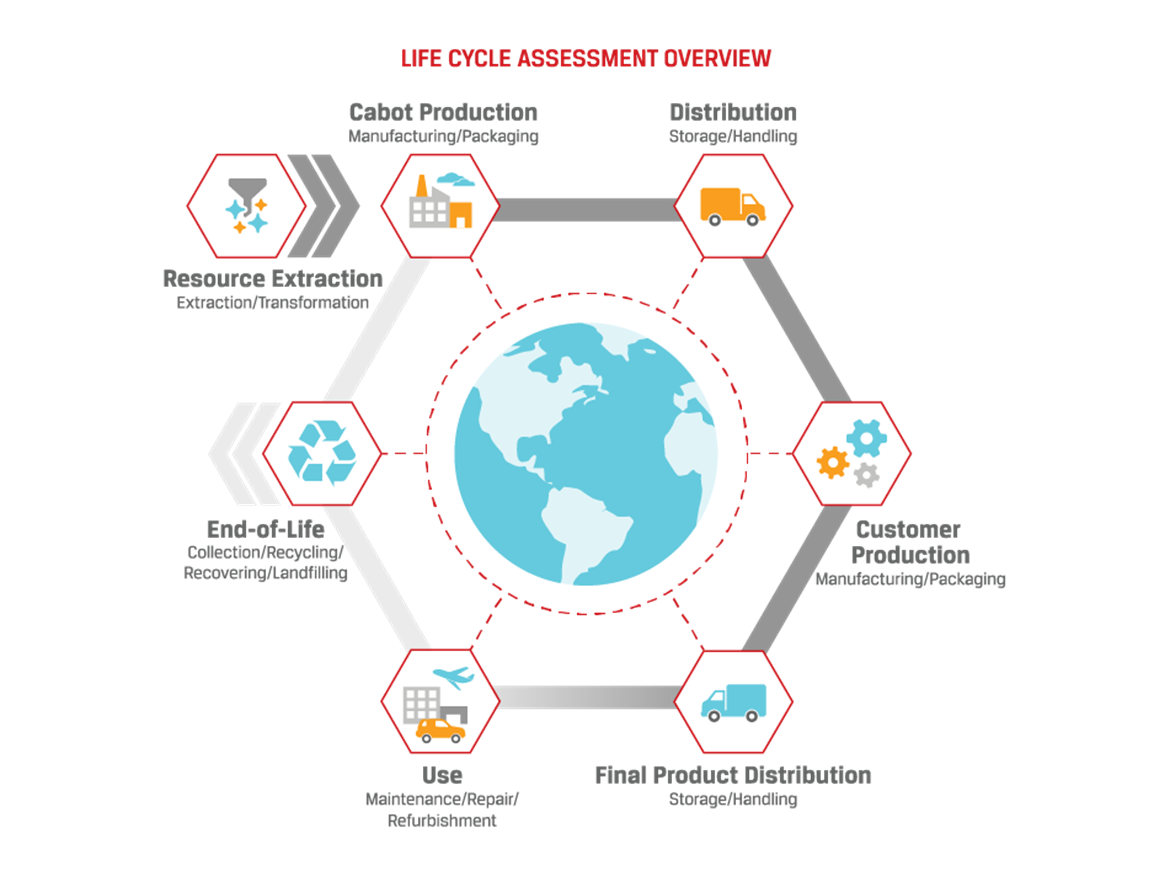
We conducted a comprehensive life cycle assessment (LCA) to examine the potential environmental impact of our E2C solutions across the value chain of a long-haul truck tire. According to the assessment, the E2C DX9640 solution can significantly reduce emissions and environmental impacts. Key findings from the LCA demonstrated that the lower rolling resistance enabled by E2C solutions can improve vehicle fuel economy and results in up to 5% - 6% avoided GHG emissions. In addition, greater durability of tires made with E2C solutions reduces end-of-life tire volumes and decreases the net emissions from tire production required to outfit a truck over its total useful life by more than 10%.
Learn More
Performance
View our latest sustainability report to learn about our progress and goals.
Download Here