


 Language
 Search

Conductive Inks & Pastes
VULCAN® XC extra conductive carbon blacks can be formulated into conductive carbon inks that are used in a variety of printed electronics applications.
Conductive inks are created by incorporating conductive additives such as carbon black, graphite, silver particles, or other conductive materials into an ink that can be printed on substrates to provide electrical conductivity in a device or circuit. Our VULCAN® XC72R and VULCAN® XCmax™ 22 extra conductive carbon blacks can be used as additives in conductive inks for many applications, including electric vehicles (EV), communications technologies, consumer products, electronics, e-textiles, medical electrodes and biosensors. Our technical and commercial teams can provide applications guidance to support customers’ product development programs.

VULCAN® XC EXTRA CONDUCTIVE CARBON BLACKS FOR CONDUCTIVE INKS
Inquire for a Sell SheetVULCAN® XC EXTRA CONDUCTIVE CARBON BLACKS ENABLE SEVERAL KEY PERFORMANCE FEATURES IN CONDUCTIVE INKS:

Conductivity
Ability to conduct electrical current and improve the function of other conductive additives

Formulation Flexibility
Enabling thin, flexible and lightweight products

Dispersibility
Ease of incorporation and dispersion into an ink/paste formulation

PRINTED HEATING ELEMENTS
One rapidly growing application for conductive carbon inks is printed heating elements (resistive heating) for EV seat warming elements and interior cabin heaters. These types of heating elements can be more energy efficient than forced hot air to bring comfort to passengers, while also saving energy in batteries.
PRINTED FLEXIBLE ELECTRONICS
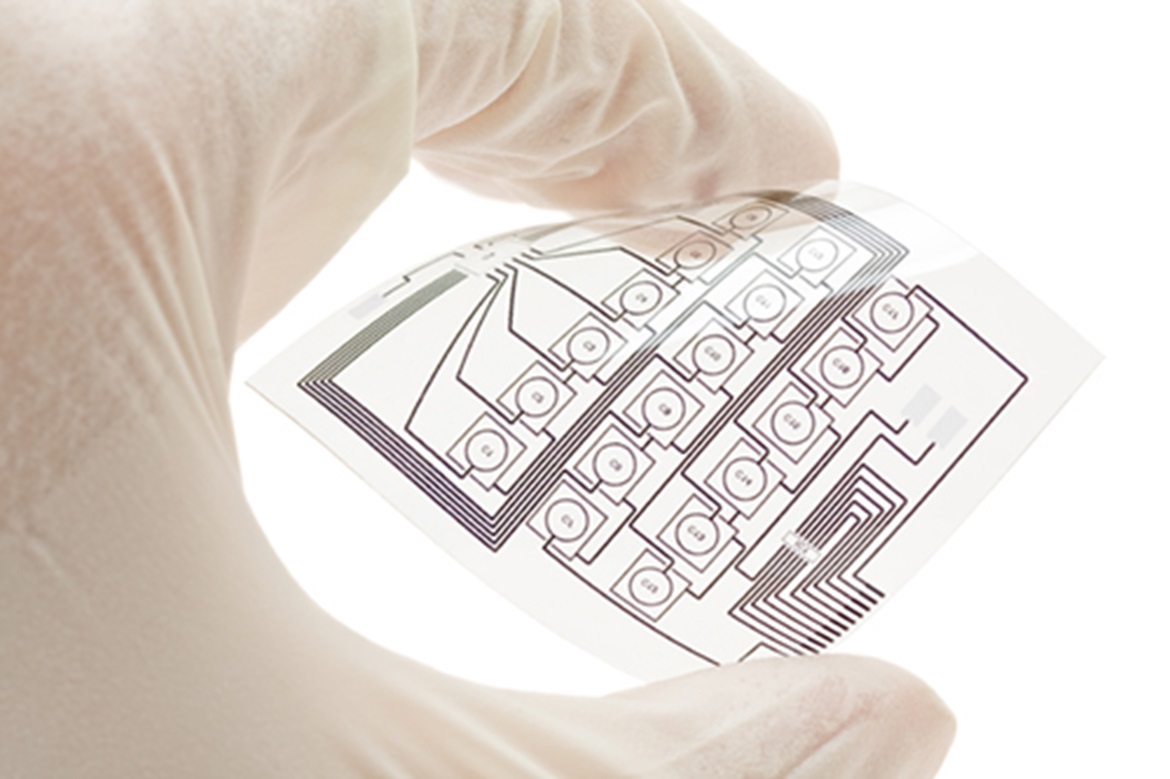
Carbon black-based conductive inks enable cost-effective fabrication of flexible electronic components like Radio Frequency Identification (RFID) tags, wearables, and printed circuits. Our extra conductive carbon blacks can be formulated to provide conductivity and mechanical flexibility to support durability in devices that undergo repeated bending.

BIOCHEMICAL SENSORS
In glucose strips and biosensors, carbon black inks form the electrode layer essential for signal transduction. Our extra conductive carbon blacks offer a large surface area and chemical stability, enhancing sensor sensitivity and reliability. Its affordability supports mass production of disposable healthcare devices.